Indonesia’s Low-Carbon Hydrogen Standard (LCHS) is Published

A good starting point with some key issues to watch
Momentum in the hydrogen market is picking up as more countries and regions are clearly defining what counts as low-carbon and/or green hydrogen. Credible standards matter because they can provide certainty that hydrogen products deliver meaningful climate and sustainability benefits.
When standards are clear, new opportunities open up. Producers can access incentives through contracts for difference schemes and tax credits, steel and fertiliser companies can launch green product lines, and aviation and shipping companies can use certified green hydrogen-based fuels to meet the demands of climate-conscious customers, or those seeking security of supply based on homegrown renewables.
Around the world, hydrogen standards are moving from theory to practice. Lead regions and countries like the EU, Australia, the UK, Japan, South Korea, India and China have already put certification frameworks in place based on clear system boundaries, emissions thresholds and other ESG criteria.
Our Green Hydrogen Standard and other voluntary initiatives help create a common, science-based reference point to promote best practice. Together, these efforts show how fast the standard-setting landscape is evolving and why getting it right early matters.
Against this backdrop, Indonesia has now taken an important step.
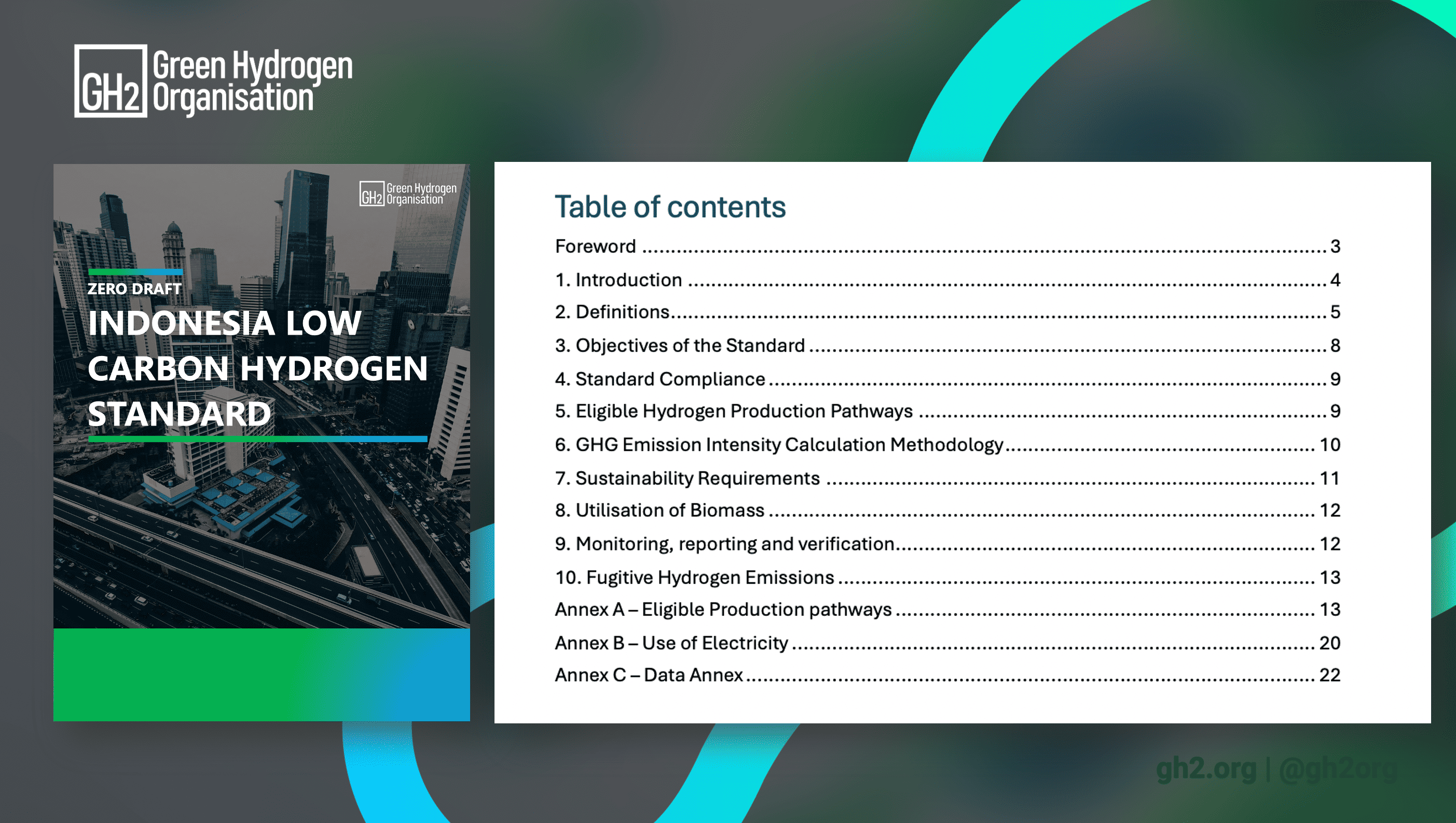
With the release of SNI 9435:2026 on low-carbon hydrogen, Indonesia has formally entered the global conversation on hydrogen standards. This is significant as for the first time producers, investors and policy makers have shared reference point for what qualifies as low-carbon and clean hydrogen in Indonesia.
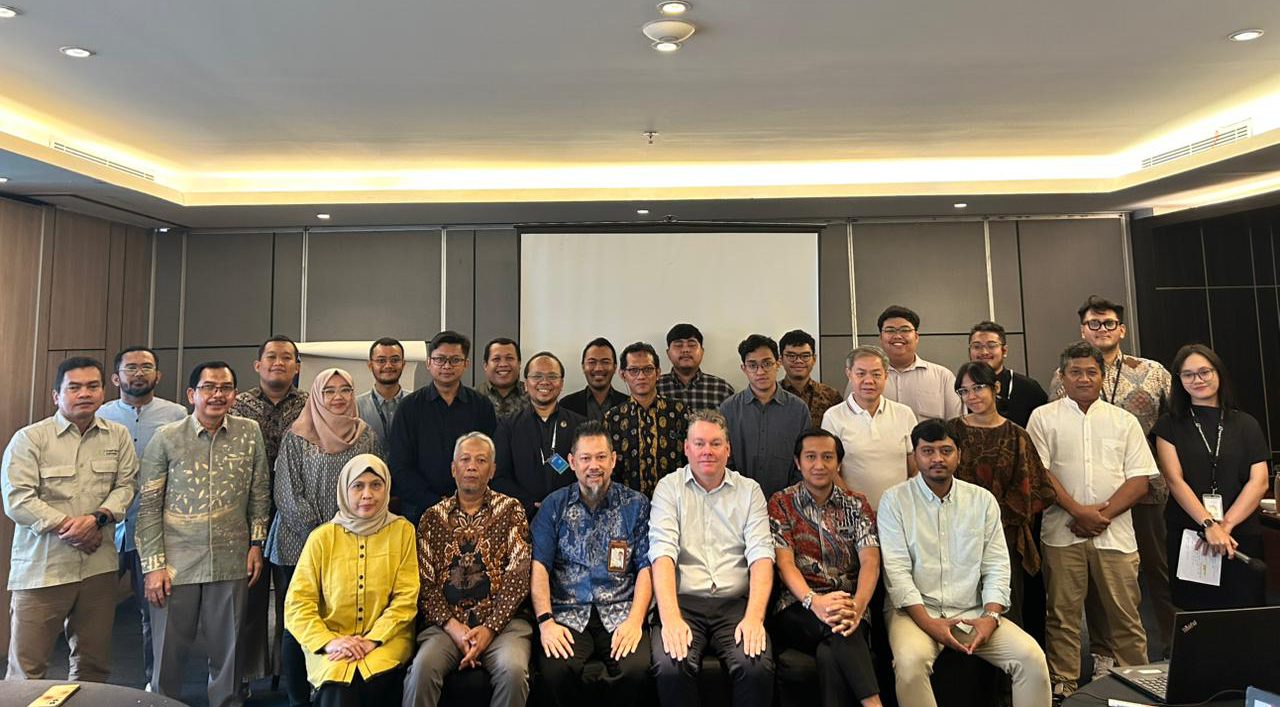
The Green Hydrogen Organisation has been involved in this process from the beginning. We worked closely with the Ministry of Energy and Mineral Resources and Technical Committee 27-11 (TC 27-11) during the early drafting phase and later submitted detailed technical input during the public consultation coordinated by the National Standardisation Agency (BSN).
Our engagement focused on how Indonesia’s standard could align with emerging international practice while safeguarding long-term competitiveness and environmental integrity. Our input consistently highlighted core issues around emissions thresholds, methane leakage, electricity accounting, the treatment of carbon capture and storage, and sustainability risks associated with biomass and land use.
These are not theoretical concerns. They are precisely the issues now shaping market access in major off-taker countries. Standards after all are not just about environmental integrity. They are about credibility. And credibility is what determines whether Indonesian hydrogen can attract capital and compete at home and abroad.
The Indonesian LCHS gets several important things right.
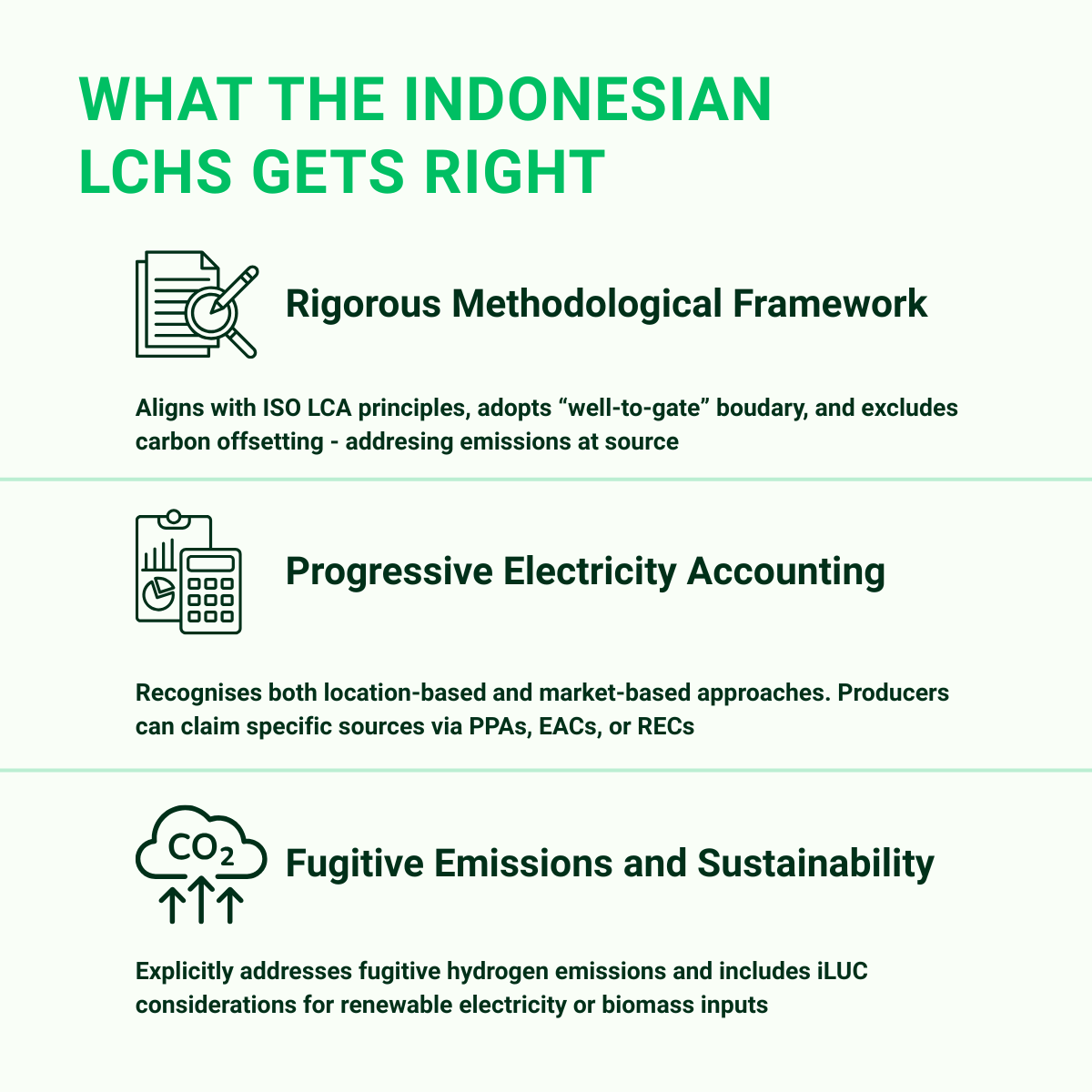
First, its methodological backbone is solid. The standard aligns emissions accounting with the ISO life-cycle assessment principles, adopts a “well-to-gate” boundary, and excludes carbon offsetting, ensuring emissions are addressed at source.
Second, the treatment of electricity sourcing is relatively progressive. It recognises both location-based and market-based approaches to electricity accounting. In practice, this means producers can either apply the average emissions intensity of the local grid or claim specific electricity sources through contractual instruments such as power purchase agreements, energy attributes certificates and renewable energy certificates.
Third, the standard explicitly addresses fugitive hydrogen emissions and includes basic sustainability requirements including consideration of indirect land-use change where renewable electricity or biomass is involved.
These are important issues, which many other hydrogen standards have neglected. Of course, the standards credibility will depend on how it is implemented and updated.
At the same time, the standard makes a set of cautious choices that do not reflect global best practice.
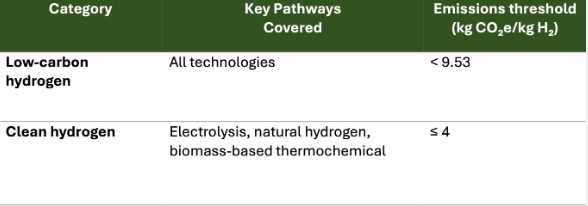
It allows hydrogen to be labelled “low-carbon” at emission levels below 9.53 Kg CO2e/Kg H2. For “clean” hydrogen produced via electrolysis or other non-fossil pathways the threshold is set at 4 kg CO2e/kg H2. These values are significantly higher than those being adopted and actively tightened in key international markets. Recent policies in countries like Australia, India and China all point toward much lower thresholds and a clear expectation that hydrogen emission intensities should trend toward near zero over time.
In any case, credible green hydrogen produced in Indonesia will have a much lower carbon intensity than 4kg CO2e/kg H2 (less than 1 kg CO2e/kg H2 well to gate) so scaling this particular pathway makes a lot of sense for climate and energy security reasons, not least since solar energy is now the world’s cheapest form of energy.
A related concern is how upstream methane emissions are treated. Scientific evidence shows methane pollution from Indonesian coal and fossil supply chains can be much higher that official inventories suggest. The standard does require upstream greenhouse gases to be counted but it does not yet mandate a real and site-specific measurement protocols such as those in OGMP 2.0.
Without requirements for actual leakage data there is a risk that the climate impact of fossil-based hydrogen will continue to be underestimated. The upcoming ISO International Standard on Hydrogen Production is expected to include requirements which will provide a more accurate picture of methane leakage which could provide a blueprint for tackling this issue in a future edition of the LCHS.
Finding the right balance is critical. Standards shape investment decisions long before molecules start flowing. They influence which projects are built, which technologies scale and which supply chains lock in.
Loose standards can inadvertently slow the transition to genuinely low-emission hydrogen products. They can also force painful adjustments later when export markets tighten requirements and domestic standards need to be revised. Aligning standards with long-term direction rather than short-term comfort is ultimately the more investment-friendly approach.
The good news is that the Indonesian LCHS is not intended to be static. It is a welcome and necessary first step and we appreciate the efforts of the government and all stakeholders involved to establish a national framework at this early stage. With compliance voluntary at this stage, the standard creates space for the market to experiment, learn, and scale while allowing future revisions to reflect better data, improving technologies and what works in practice.
The technical architecture is now established. The next challenge will be to raise ambition over time so that the framework keeps pace with rapidly tightening global expectations and remains relevant to export markets.
GH2 remains committed to supporting this progress, helping Indonesia and other emerging economies with a faster deployment of truly low-carbon hydrogen and turn it into a durable source of better economic growth and climate benefits.
Getting the foundation right matters. Ensuring it is strong enough to support what comes next will matter even more.
Rifan Bachtiar,
Country Manager - Indonesia, GH2
The official standard is published by BSN and can be accessed through BSN’s official channels.
Email : bsn@bsn.go.id, dokinfo@bsn.go.id